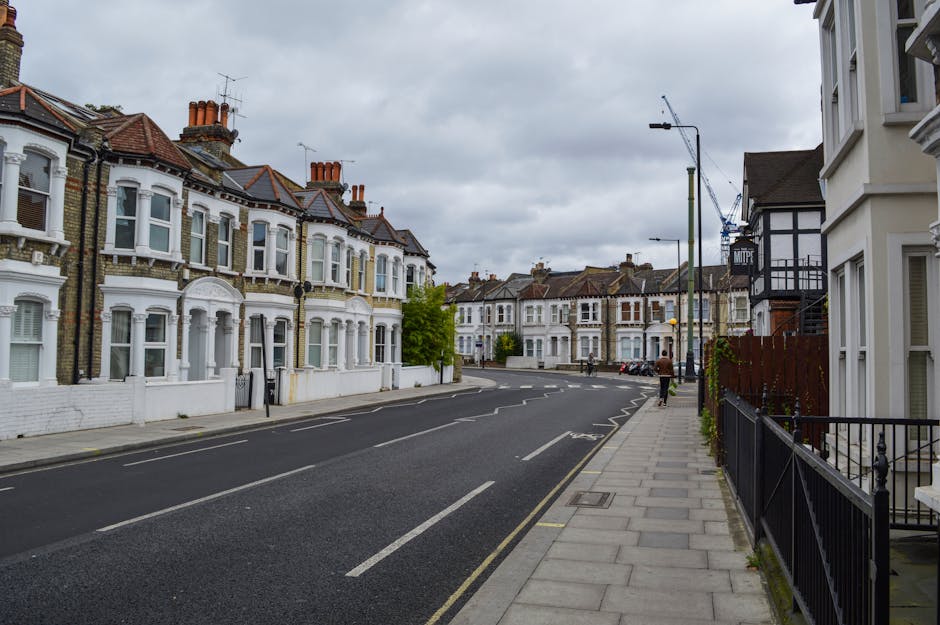
Kenton HA3 house removals best routes and parking tips
If you are planning a move in Kenton, HA3, the journey matters almost as much as the packing. Narrow side streets, busy school runs, awkward driveways, shared forecourts, and the simple question of where the van can actually stop can turn a straightforward house move into a stressful one. This guide to Kenton HA3 house removals best routes and parking tips brings the practical stuff together: how to plan access, which route choices usually save time, how to avoid parking headaches, and what to do before the crew arrives. In real life, a move often goes smoothly because someone spent ten calm minutes checking the street, not because they hoped for the best.
Whether you are moving from a terraced house near local high streets, a flat on a busier road, or a family home with limited front access, the same idea applies: plan the route, protect the parking space, and keep the loading area as clear as possible. That sounds simple. Sometimes it is. Sometimes it is not. Either way, the details below will help.
Table of Contents
- Why Kenton HA3 house removals best routes and parking tips Matters
- How Kenton HA3 house removals best routes and parking tips Works
- Key Benefits and Practical Advantages
- Who This Is For and When It Makes Sense
- Step-by-Step Guidance
- Expert Tips for Better Results
- Common Mistakes to Avoid
- Tools, Resources and Recommendations
- Law, Compliance, Standards, or Best Practice
- Options, Methods, or Comparison Table
- Case Study or Real-World Example
- Practical Checklist
- Conclusion
- Frequently Asked Questions
Why Kenton HA3 house removals best routes and parking tips Matters
Route planning and parking are not glamorous parts of moving house, but they can make the biggest difference to the day. In Kenton and the wider HA3 area, you may face a mix of residential roads, bus routes, corners that are tight for larger vehicles, and parking that disappears quickly. If the removal van cannot get close to the property, every box has to travel further. That means more time, more lifting, and more chance of damage or delay.
This matters even more if you have heavy items such as wardrobes, white goods, sofas, or a piano. A longer carry from the van to the front door is not just inconvenient; it increases the risk of knocks on walls, scuffed floors, and tired backs by lunchtime. A few minutes of preparation can save hours of faffing around. Truth be told, that is usually the difference between a move that feels organised and one that feels like a scramble.
Parking also affects neighbours and road users. If you leave a van awkwardly half in the road, half on the kerb, you can block visibility or create tension with residents. No one wants to be that person on moving day. A sensible plan helps everyone. It also makes the experience feel more professional if you are working with house removals specialists who need a clean loading zone to work efficiently.
How Kenton HA3 house removals best routes and parking tips Works
Good moving logistics start before the first box is carried outside. Think of the day in three parts: the route to the property, the parking and access setup, and the loading sequence. Each part affects the next one.
First, the route. For Kenton HA3 house moves, the best route is usually the one that balances width, turning space, road restrictions, and predictable travel time. A shorter route is not always the better route if it includes narrow turns, traffic pinch points, or streets where a larger vehicle cannot manoeuvre without several reverses. Sometimes a slightly longer route is the calm route. And calm wins on moving day.
Second, parking. The aim is simple: get the van as close as safely possible to the property entrance without blocking traffic or causing conflict. If the street is busy, you may need to arrive early, use a pre-arranged parking space, or leave a helper with the vehicle while the team prepares the doorway. For flats, shared access and communal parking can add another layer. In those cases, it is wise to think ahead about visitor bays, loading bays, and any building-specific rules. If your move is smaller or split into stages, a service such as man with van support can sometimes suit the access conditions better than a larger truck.
Third, loading order. Once the van is parked properly, the team should load in a way that protects the heaviest items and keeps the route between front door and vehicle open. A well-managed parking position helps the whole process feel smoother because people are not weaving around awkward obstacles every few minutes.
One helpful way to picture it: the route gets the vehicle there, parking gives the crew room to work, and access decides how quickly the move actually happens. If one of those pieces is weak, the whole day feels harder than it needs to be.
Key Benefits and Practical Advantages
The obvious benefit of planning the best route and parking properly is saving time. But there are several other advantages that often matter just as much.
- Less physical strain: shorter carries reduce the number of steps, turns, and lifts required.
- Lower risk of damage: close parking usually means less chance of scraping furniture against walls or door frames.
- Better team coordination: the crew can work more naturally when the van is parked sensibly and access is clear.
- Less pressure on neighbours: good parking choices reduce friction in shared streets and communal areas.
- More predictable timings: a tidy setup makes it easier to stay on schedule, especially if you have keys to hand over or a sale completion deadline.
There is also a quieter benefit: peace of mind. Moving day already asks enough of you. When the route and parking are sorted, one major source of stress simply drops away. You can focus on the boxes, the kettle, and the not-so-small matter of finding the screwdriver later.
If you are comparing wider moving support, it can help to look at removal services that suit your property type, access, and volume of items. For some households, a small crew is enough. For others, a larger vehicle and additional handling support make more sense. The best choice depends on the actual street outside your front door, not just the postcode on paper.
Who This Is For and When It Makes Sense
This kind of planning is useful for almost anyone moving within or from Kenton HA3, but it becomes especially important in a few situations.
- Terraced house moves: parking is often limited and loading space can be tight.
- Flat or maisonette moves: shared entrances, stairwells, and communal parking can slow things down.
- Family homes with larger furniture: bulky items need more manoeuvring room and a clearer parking position.
- Moves on busier roads: you may need to think carefully about arrival time and safe stopping points.
- First-time movers: if you have not managed a house move before, the parking side can be easy to overlook.
It also makes sense if you are working to a tight schedule. Completion day moves, end-of-tenancy deadlines, school holiday moves, and weekend relocations all benefit from a smoother setup. If you have only one shot at getting the van parked where it should be, preparation becomes priceless. A lot of people only discover this at 8:15 in the morning, when the road is already filling up. Not ideal.
Students, landlords, and shared-house movers can also benefit from this approach, particularly if there are several entrances, multiple sets of keys, or different loading points. In those cases, it may help to read about student removals or smaller-scale moving support when the job does not justify a full house-move setup.
Step-by-Step Guidance
If you want a simple, workable process, use the steps below. They are practical rather than fancy, which is usually what you need on moving day.
- Check the property access first. Walk outside and look at the road from the point of view of a van driver. Where can a vehicle stop? Is there a curb drop, a narrow gate, or a bend that makes reversing awkward?
- Measure the carry distance. Count the number of metres from likely parking spots to the front door. If the route involves steps, a slope, or a long hallway, factor that in too.
- Pick the best arrival window. Early morning often gives you the best chance of finding space, but local patterns matter. School-run traffic, bin day, and commuter flow can all change the picture.
- Reserve or protect the space where possible. If you have legitimate access to a drive, bay, or permit area, make sure nobody casually fills it. It happens. More than it should.
- Prepare the front of the property. Move bins, bikes, prams, planters, and anything else that blocks the path. A clear doorway speeds everything up.
- Decide where boxes will stage. Put packed items in one place, not scattered across rooms. The front room or hallway can work well if it remains safe to walk through.
- Load the largest items first. Furniture, appliances, and awkward pieces usually go in before lighter cartons. This makes the van space more efficient.
- Keep a small "last off" bag. Keys, charger, documents, tea bags, phone cable, medication, and basic toiletries should travel with you rather than disappear into the moving mountain.
A small extra thought: if the weather turns damp, the loading path becomes slippery faster than you think. A rubber mat, old towels, or simply a more careful route can prevent a clumsy moment. Nobody wants a cardboard box doing a dramatic slide at the kerb. It looks funny only after the fact.
Expert Tips for Better Results
The biggest expert tip is this: do not plan only for the perfect day. Plan for the slightly awkward one. That is the real world. A van may arrive a little early. A neighbour may park where you hoped to stop. The lift in a block may be slow. The weather may be doing its usual British thing.
Here are a few things that tend to help:
- Choose the widest workable approach road. Even if it adds a minute or two, it may save repeated reversing.
- Keep turning space in mind. Vans need room to line up straight, especially when reversing close to a wall or bay.
- Use a helper to watch kerbs and mirrors. A second pair of eyes can prevent a minor scrape. Worth it every time.
- Plan the first parking position before the van arrives. Know where you want it to stop, not just where you hope it can fit.
- Leave yourself a buffer. If access is likely to be tight, build in extra time rather than assuming everything will be perfect.
- Communicate clearly with the removal team. Mention steep drives, permit needs, low branches, awkward corners, or loading restrictions before the truck turns up.
If your move includes fragile or specialist pieces, a wider loading area becomes even more important. That is particularly true for bulky items such as upright instruments. In those cases, specialist support like piano removals can make a significant difference because the handling and access needs are more demanding than a standard box move.
And one more practical point. If the property is on a road where parking pressure is high, try not to leave every decision until the morning. The best moves are the boring ones, honestly. The ones where nothing dramatic happens.
Common Mistakes to Avoid
Most moving problems are not mysterious. They are usually small mistakes that pile up.
- Assuming the van will fit anywhere. It may not. Larger vehicles need real room, not optimism.
- Ignoring school-run or commuter traffic. A road that looks fine at midday can be a headache at 8:30.
- Forgetting to check parking restrictions. Even if you are not dealing with a formal permit zone, there may still be loading limits or local restrictions to think about.
- Blocking access with loose items. Bikes, bins, and stacked bags can create a messy bottleneck at the front door.
- Not telling the movers about obstacles. If there is a low wall, steep step, or awkward gate, say so early.
- Leaving heavy items for the end. That makes the whole process feel harder than it needs to be.
Another mistake is underestimating how much time a short carry can take if the path is awkward. Two minutes on paper can feel like ten when you are carrying a sofa around a parked car and trying not to clip a hedge. It is all manageable, but not if you pretend it is simpler than it is.
Tools, Resources and Recommendations
You do not need fancy software to plan a decent move, but a few basic tools help a lot.
- Phone photos of the street and frontage: useful for showing the move team where access is tight.
- Simple paper notes or a checklist: handy when your phone is busy, flat, or packed away somewhere you cannot remember.
- Measuring tape: worth using for gates, hallways, and anything that looks a bit marginal for larger furniture.
- Sticky labels or coloured tape: helps the crew place boxes in the right rooms without unnecessary back-and-forth.
- Parking plan written down in advance: especially useful if several vehicles are involved or if a neighbour has agreed to help.
For many households, a wider service package also helps. If the job involves wrapping, room labelling, and unpacking at the other end, packing and unpacking services can save time and reduce the chance of confusion on arrival. If you only need materials and want to handle the packing yourself, packing and boxes is the more practical route.
If you are moving a very full house or not ready to take everything on day one, temporary storage can be a neat pressure valve. Not glamorous, but useful. Sometimes the smartest move is to split the move into two easier parts.
Law, Compliance, Standards, or Best Practice
When planning parking for house removals, the safest approach is to follow local parking rules, avoid blocking access, and keep the move within reasonable, lawful use of the road. In practical terms, that means checking for any restrictions on waiting, loading, bay use, or access to driveways and shared entrances. If you are unsure, it is better to plan conservatively than to assume a space is fine because it looks empty.
Good moving practice also includes safe manual handling, sensible vehicle positioning, and clear communication between the crew and the householder. These are common-sense standards, but they matter. A parked van should allow the team to work without stepping into live traffic or lifting from unsafe angles. That is especially important when moving heavy furniture up and down kerbs or across uneven paving.
Where a building has communal rules, those rules should be respected too. Flat moves often involve shared entrances, bin stores, and tight courtyards, so it helps to keep access respectful and tidy. If you want to understand how a provider approaches safety and responsibility in general, it can be useful to review their health and safety policy and insurance and safety information before booking.
There is also a professional expectation that removal work should be carried out with care for property, people, and the surrounding area. That means no rough parking, no blocking emergency access, and no rushing in ways that create avoidable risk. Nothing complicated. Just good practice, done properly.
Options, Methods, or Comparison Table
Different move types suit different parking and route strategies. Here is a simple comparison to help you decide what fits best.
| Move type | Best for | Parking approach | Main challenge |
|---|---|---|---|
| Full house removal | Large family homes, many rooms, bulky furniture | Prioritise closest legal stopping point and protect loading space | Volume and carry distance |
| Man and van | Smaller moves, flexible access, fewer items | Often easier to place near the entrance or on a quieter street | Space for loading and sorting |
| Flat move | Flats, maisonettes, shared buildings | Check shared bays, visitor parking, and building access first | Communal access and stairs |
| Storage-assisted move | Staggered move dates or incomplete completion plans | Allow time for a second trip or a separate collection point | Coordination between locations |
If you are still deciding what kind of support you need, it can help to compare home moves with smaller vehicle-based support such as man and van. The right choice depends on access, item volume, and how much lifting you want to avoid. Simple as that, really.
Case Study or Real-World Example
Imagine a typical Kenton HA3 household move: a three-bedroom terraced property, a narrow street with limited turning space, and one neighbour's car already parked close to the front. The family has a mix of boxes, a dining table, two beds, a washing machine, and several awkwardly shaped items that never seem to pack neatly.
The first win is route choice. Instead of sending the van down the tightest side approach, the team uses the wider road entrance and arrives early enough to secure a sensible stop. That adds a few moments to the journey, but it saves repeated reversing and avoids squeezing past parked cars. The second win is access. The front path is cleared before the crew arrives, which means there is no need to shuffle bins or move bicycles mid-load. The third win is loading order. Heavy items are loaded first, boxes are grouped by room, and fragile items stay away from the base of the stack.
What does that look like in practice? Fewer trips. Less muttering. More space to think. The move still feels like a move - there is still dust, tape, and the smell of fresh cardboard - but it does not become chaos. The family reaches the new house before late afternoon, with enough energy left to make tea and find the mugs without panic. Which, to be fair, is a small victory everyone understands.
In a move like this, the biggest lesson is not about perfection. It is about reducing avoidable friction. Good route planning and parking do exactly that.
Practical Checklist
Use this checklist the day before and again on the morning of the move.
- Confirm the moving date and arrival window.
- Check the route for narrow turns, low-hanging branches, or awkward access points.
- Decide where the vehicle should stop.
- Clear the front path, drive, and doorway.
- Move bins, bikes, and loose items out of the loading route.
- Tell the removal team about steps, gates, shared access, or any steep approach.
- Keep important documents, keys, chargers, and medication with you.
- Label boxes clearly by room.
- Protect floors and doorways if needed.
- Make sure pets and children are in a safe, calm space during loading.
- Have water and a quick snack ready. Yes, really. People forget this one all the time.
If you are booking a provider and want to understand service scope and expectations, it can also be helpful to review removal companies and removals options so you know how the support is structured before moving day.
Good preparation is rarely exciting, but it pays you back very quickly.
Get a free quote today and see how much you can save.
Conclusion
Getting Kenton HA3 house removals right is rarely about one big trick. It is usually about a handful of sensible choices made early: choose the best route for the vehicle, protect a legal and practical parking space, clear the access path, and communicate the awkward bits before they become problems. Do that, and the move feels far more manageable.
In a busy part of London, where streets can be tight and parking can vanish quickly, those details matter even more than people expect. The good news is that most of them are under your control. A bit of foresight, a clear plan, and the right moving support can turn a stressful day into something steady and quite ordinary. And ordinary is lovely on moving day.
Take it one step at a time, keep the route simple, and give yourself a little breathing room. That calm, practical approach tends to work best.
Frequently Asked Questions
What is the best route for a house removal in Kenton HA3?
The best route is usually the one that gives the van the safest, widest, and most predictable access, even if it is not the shortest on a map. In Kenton HA3, that often means avoiding tight turns, awkward parked-car pinch points, and roads where turning or stopping would be difficult. A slightly longer route can still be the better route if it reduces delay and risk.
How do I know where the removal van should park?
Start by looking for the closest legal stopping point that still leaves enough room for loading and safe movement. The ideal space is near the front door, with clear access and no conflict with traffic or neighbours. If the street is busy, you may need to choose a safer position slightly further away rather than forcing the van into a bad spot.
Do I need to reserve parking for moving day?
If you have access to a private drive, visitor bay, or other legitimate space, it is wise to make sure it is available on the day. If you are relying on street parking, try to protect that space by planning an early arrival and keeping the frontage clear. The exact rules depend on the street and property, so caution is sensible.
What time of day is best for parking during a move?
Early morning is often the easiest time because roads can be quieter and parking may be more available. That said, local traffic patterns matter, so it helps to think about school runs, commuter flow, and bin collections. The best slot is the one that gives you the least friction, not just the earliest one.
What should I do if the street is too narrow for a big van?
If the street is tight, look for a wider nearby stopping point and plan for a shorter hand-carry route to the property. You may also want to discuss whether a smaller vehicle or a more flexible moving setup is suitable. In some cases, man with van support can be more practical than forcing a larger vehicle into a poor access point.
Are flats in Kenton HA3 harder to move from than houses?
They can be, mainly because of shared access, stairs, lifts, and communal parking. The actual difficulty depends on the building layout and whether you can stop close to the entrance. Good communication and advance planning make a big difference, especially in blocks with limited loading options.
How can I make loading and parking faster on the day?
Clear the front of the house, stage boxes in one room, label items clearly, and decide where the vehicle will stop before it arrives. If the crew does not have to dodge bins, furniture, and parked bikes, the job tends to move much faster. Simple things, but they matter.
What if I have a heavy or awkward item like a piano?
Specialist items need extra care, both in the route to the property and in the parking position used for loading. You need enough space to manoeuvre safely, and you should tell the movers about the item in advance. For something like that, specialist handling is usually the sensible choice.
Can storage help if parking or route planning is difficult?
Yes. If your move has to happen in stages, or if access is awkward and you want to reduce pressure on the day, storage can make the process easier. It lets you split the move into more manageable parts instead of trying to force everything through one tight window.
What are the most common parking mistakes people make during house removals?
The most common mistakes are assuming a space will be available, ignoring road restrictions, and underestimating how much room a van needs to stop and load safely. Another common one is forgetting to clear the path from the van to the front door. That tiny bit of clutter can slow the whole move down.
Should I book packing help as well as removals?
If you are short on time or want the move to feel less chaotic, packing help can be a very good idea. It saves time and can make loading more organised because boxes are grouped and labelled properly. If you prefer to pack yourself, make sure your boxes are sturdy and easy to stack.
How far in advance should I plan routes and parking for a move?
Ideally, a few days ahead for a straightforward move, and sooner if the street is busy or the access looks tricky. A quick walk outside, a few photos, and a clear parking plan are often enough to catch problems before they happen. It is one of those jobs that feels minor until it suddenly is not.
What should I ask a removal company about route and parking planning?
Ask what vehicle size they expect to use, how they prefer to handle narrow streets, whether they need specific access information, and what they need from you before arrival. A good provider will welcome that conversation. It shows you are planning properly, which makes the whole day easier for everyone.