Packing mistakes to avoid when moving in Harrow
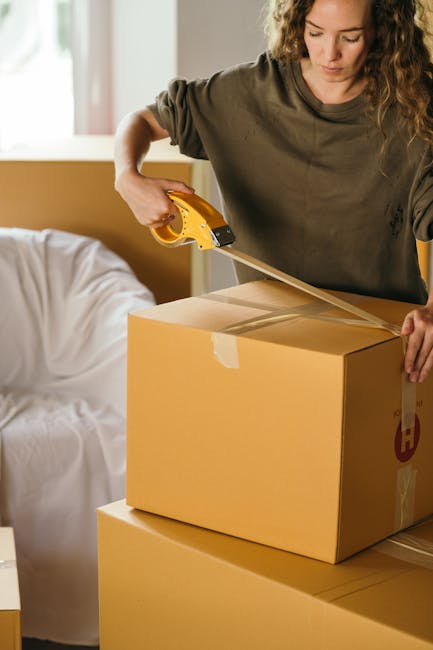
Moving house is stressful enough without opening a box on arrival and finding your kettle wrapped in tea towels, your sockets mixed with bathroom bits, and your fragile ornaments packed under heavy books. The most common packing mistakes to avoid when moving in Harrow are usually simple ones, but they can cause real headaches on moving day. A bit of planning now can save you time, money, and that last-minute panic when the van is already outside and someone is asking where the passports are.
Whether you are moving from a flat near Harrow-on-the-Hill, a family home on a busy road, or a student place with awkward stairs and tight corridors, the same packing basics apply. This guide breaks down the errors people make most often, why they matter, and how to pack in a way that actually makes moving easier. No fluff. Just practical advice you can use.
Why Packing mistakes to avoid when moving in Harrow Matters
Packing is not just a box-filling exercise. It shapes the whole move. If items are poorly sorted, overpacked, underlabelled, or left until the night before, everything takes longer. The removal team has to work around uncertainty, you have to unpack more slowly, and valuable items become more exposed to damage. That is especially relevant in Harrow, where many moves involve flats, shared entrances, stairwells, controlled parking, and narrow access points that already add pressure to the day.
In a busy London borough, timing matters. A badly packed move can create knock-on delays: more trips to and from the property, more searching for essentials, and more stress when you realise the cutlery, chargers, and bedding are all somewhere in different boxes. Truth be told, it is rarely the big dramatic mistake that causes trouble. It is the small one you kept putting off.
If you are comparing moving options, it can also help to look at the wider service picture. Some people want a full service move with packing and unpacking services, while others only need a vehicle and a pair of hands from man and van support. Either way, the packing standard still matters because it affects speed, safety, and how settled you feel on arrival.
Expert summary: good packing is less about perfection and more about control. If you can tell what is in each box, protect fragile items properly, and keep essentials close, the move becomes easier almost immediately.
How Packing mistakes to avoid when moving in Harrow Works
Good packing follows a simple logic: sort first, pack in stages, protect breakables, label clearly, and keep the things you need immediately separate. The idea is to make every box predictable. No mystery boxes. No heavy chaos. No frantic digging through ten cardboard cubes at 10pm looking for toothpaste.
For most Harrow moves, this works best when you think room by room. Start with items you use least often, then move into everyday objects closer to moving day. That approach keeps your home functional for longer and reduces the chance of accidentally packing something essential too early. It also helps if your move involves storage, because you can group items that are going into temporary holding rather than straight into the new place.
When space is tight, planning becomes even more important. Flats and maisonettes often need neat stacks, sensible box weights, and careful handling around stairs and door frames. If that sounds familiar, it may be worth reviewing flat removals alongside your packing plan so the whole move fits the property, not the other way around.
The process is not complicated, but it does reward discipline. Pack too early and you live out of bags for a week. Pack too late and you rush. The sweet spot is somewhere in between, and yes, it is a bit boring. But boring packing is usually good packing.
Key Benefits and Practical Advantages
Careful packing brings more than just tidiness. It changes the feel of the whole move.
- Less breakage: fragile items are less likely to collide, bend, crush, or spill.
- Faster loading: neat, well-weighted boxes are easier to carry and stack.
- Quicker unpacking: labels and room grouping help you settle in faster.
- Lower stress: you spend less time hunting for essentials and more time managing the move calmly.
- Better use of space: boxes and bags fit the van more efficiently when they are packed consistently.
- Fewer surprises: you know where important documents, chargers, toiletries, and basics are.
There is also a practical cost angle. Poor packing often leads to extra materials, wasted time, or the need for urgent help. Even if you are using a professional team, the more organised your boxes are, the smoother the job tends to be. In some cases, good packing can mean the difference between a simple one-day move and a messy two-day drag. Nobody wants the second version.
For people moving within the borough or across London, a tidy packing system also makes it easier to match your move type to the right support, whether that is house removals, general removals, or student removals.
Who This Is For and When It Makes Sense
This guide is for anyone moving home, but some groups benefit even more from getting packing right.
- Families: more belongings usually means more opportunities for mix-ups and overload.
- Flat movers: stairs, lifts, and limited space make compact packing essential.
- Students: moves are often fast, budget-conscious, and time-sensitive.
- Office movers: documents, equipment, and labelled systems matter a lot more than people expect.
- People using storage: you need a clear method so stored items remain findable later.
- Anyone with fragile or bulky items: glass, artwork, lamps, mirrors, or awkward shapes need thought, not guesswork.
If you are moving a business rather than a home, the risks are slightly different. Loose packing can interrupt work, damage equipment, and make reopening slower than it should be. A structured approach is especially useful for commercial moves and office removals, where labelled packing and clear ownership of items really matter.
And if you are simply not in the mood to spend every evening wrestling with tape and cardboard, that is fair enough too. Sometimes the sensible choice is to bring in help rather than forcing it.
Step-by-Step Guidance
Here is a practical way to pack without creating a mess for yourself later.
- Declutter first. Do not pack things you already know you will not use. Broken cables, duplicate kitchen tools, old paperwork, and worn-out bits can go now.
- Gather the right materials. Use sturdy boxes, tape, paper, bubble wrap or soft packing paper, marker pens, and a few bags for soft items.
- Set up packing zones. One space for keep, one for donate, one for rubbish, and one for packed boxes.
- Pack by category, then room. Group similar items together, but make sure each box still makes sense when you unpack.
- Wrap fragile items individually. Glasses, plates, frames, and ornaments need separation, not just a layer of soft stuff on top.
- Keep heavy items small. Books, tools, and cookware should go into smaller boxes so they remain liftable.
- Label on multiple sides. Write the room, contents, and whether the box is fragile or heavy.
- Create an essentials box. Put in kettle, mugs, phone chargers, toiletries, toilet roll, snacks, medicines, and a few tools.
- Pack a first-night bag. Treat this like an overnight bag, because after a long day you will not want to rummage around for pyjamas.
- Check access and timing. Make sure boxes are ready before the van arrives and paths are clear.
A small but useful tip: pack one room completely before starting another if you can. Jumping between rooms is how people end up with a weird half-filled box of random things and no idea what to do with it. We have all seen that box. Nobody likes that box.
Expert Tips for Better Results
After enough moves, certain habits stand out as genuinely useful. Not glamorous. Just effective.
- Use colour coding: simple coloured stickers for kitchen, bedroom, bathroom, and living room make unloading easier.
- Keep weight consistent: two light boxes are better than one dangerously heavy one.
- Protect corners and gaps: empty space lets items shift and knock into each other in transit.
- Photograph cable setups: especially for TVs, routers, computers, or office equipment.
- Bag small parts together: screws, bolts, remote controls, and assembly pieces disappear very quickly.
- Separate valuables and documents: keep them with you rather than on the van.
- Leave daily-use items until last: it sounds obvious, but this is where people slip up most often.
There is also a smart scheduling point here. If you know your move may need temporary holding space, having a plan for storage prevents a lot of awkward last-minute scrambling. You do not want to discover that plan B is "pile it in the hallway".
For heavier or awkward loads, the vehicle choice matters too. A larger moving truck can handle boxes more efficiently, but only if they are packed sensibly in the first place.
Common Mistakes to Avoid
Here is the heart of it. These are the packing mistakes that usually cause trouble, especially in real-life Harrow moves where access, timing, and weather can all be a bit unpredictable.
| Mistake | Why it causes problems | Better approach |
|---|---|---|
| Using weak or recycled boxes that have already softened | They can collapse, tear, or let items shift in transit | Choose sturdy boxes suitable for the weight inside |
| Overpacking one box | It becomes unsafe to lift and more likely to split | Split heavy contents into smaller boxes |
| Mixing random rooms together | Unpacking becomes slower and frustrating | Keep boxes room-specific wherever possible |
| Not labelling fragile items properly | People handling the box may not know to treat it with care | Mark fragile boxes clearly on several sides |
| Packing essentials too early | You lose access to daily items before moving day | Leave a clearly marked essentials box until the end |
| Leaving liquids unsecured | Spills can ruin clothing, paperwork, and electronics | Seal lids, bag items separately, and stand them upright |
| Forgetting to protect breakables inside the box | Items can touch and chip each other | Wrap and pad each item individually |
One especially common mistake is treating the move like a spring-cleaning marathon on the final day. Packing at speed almost always creates hidden problems. The box looks fine from the outside, but inside it is a jumble. A few hours later, one plate cracks, a lamp shade bends, and then you are cross with yourself for the rest of the evening. Not ideal.
Another one: ignoring awkward items. Mirrors, radiators, framed art, and oddly shaped furniture bits are not like normal kitchen items. They need different care, and sometimes different moving support such as furniture removals or furniture pick up if you are clearing things out as part of the move.
Tools, Resources and Recommendations
You do not need a professional packing lab to do this well, but a few basics help a lot.
- Strong cardboard boxes: use a mix of small, medium, and large, but keep heavy items in smaller ones.
- Packing tape: make sure it is decent quality; flimsy tape is annoying in the worst possible way.
- Marker pens: thick, readable, and ideally dark enough to see quickly.
- Wrapping materials: paper, towels, blankets, or bubble wrap for delicate pieces.
- Labels or stickers: useful for room coding and fragile warnings.
- Scissors or a box cutter: keep them accessible, but safely out of the way of children.
- Sealable bags: perfect for screws, plugs, cables, and small accessories.
If you are buying rather than borrowing packing supplies, compare the overall move plan first. For example, people using packing and boxes services may want a more coordinated approach than someone who is just hiring a smaller vehicle. Likewise, if you only need a flexible collection and delivery option, removal van support can suit lighter loads, provided your packing is neat and efficient.
It is also worth checking practical details like payment clarity and security if you are booking services in advance. A little admin now is better than a headache later. Honestly, that part is not thrilling, but it helps.
Law, Compliance, Standards, or Best Practice
Packing itself is not heavily regulated in the same way as some other activities, but good moving practice still sits within a wider framework of safety, care, and consumer expectations. Removal teams should handle items with reasonable care, follow their own health and safety procedures, and communicate clearly about what is being moved, any fragile items, and any access issues.
From a practical UK standpoint, the key best practices are straightforward: avoid unsafe lifting loads, do not block fire exits or communal walkways, and make sure packing materials are used sensibly so they do not create a trip hazard. In shared buildings, especially flats, that matters. A corridor full of loose boxes is nobody's idea of a good morning.
It also makes sense to review service terms before booking, particularly where packing, storage, or transport responsibilities are shared. If you want to understand the company's policies on service expectations, insurance, or the handling of goods, pages like insurance and safety, terms and conditions, and health and safety policy can be useful reading. Those details are not glamorous, but they are part of moving responsibly.
For customers who want to understand the business behind the service, about us can also provide useful context before booking.
Options, Methods, or Comparison Table
Different packing methods suit different moves. Here is a simple comparison to help you choose.
| Method | Best for | Pros | Trade-offs |
|---|---|---|---|
| DIY packing | Budget-conscious moves, smaller households, students | Lower cost, full control, flexible timing | More time, more effort, greater risk of inconsistent packing |
| Partial packing help | Busy households, fragile-heavy homes, awkward schedules | Good balance of cost and convenience | You still need to organise key parts of the move |
| Full packing service | Large homes, time-poor movers, complex item lists | Fast, structured, less stress on the day | Higher cost than doing it yourself |
There is no single right answer. A student moving a few streets may only need careful DIY packing and a straightforward vehicle. A family with stairs, toys, kitchenware, and furniture may benefit from more support. And an office move? That is a different animal altogether. If you are dealing with desks, files, and equipment, office relocation services can be worth considering because structure matters even more there.
Case Study or Real-World Example
Here is a realistic example from a typical local move. A couple in Harrow packed over two weekends but made one classic error: they labelled boxes by room, yet not by priority. So the first night in the new place, they could not find bedding, kettle, or phone chargers. Everything else was technically well packed, but the most needed items were buried. They ended up eating a takeaway off a box lid and charging a phone from the car. Not a disaster, but definitely a lesson.
What changed the next move was simple. They made three categories: essentials, first day, and later unpack. They also separated fragile kitchen items from general kitchen items, which saved time and reduced breakage. The move itself did not become magical. It just became manageable. And that is usually the real goal.
In another common scenario, a small office moving within the borough used boxes that were too large for files and stationery. The result was a few overheavy boxes and a lot of awkward lifting. After switching to smaller, clearly marked boxes, the process improved immediately. Tiny adjustment, big difference.
Practical Checklist
Use this checklist a few days before moving day. If you can tick most of it off, you are in decent shape.
- Decluttered items you do not want to take
- Collected enough sturdy boxes and tape
- Packed room by room where possible
- Kept heavy items in small boxes
- Wrapped fragile items individually
- Marked every box with room and contents
- Created a clearly labelled essentials box
- Saved chargers, documents, keys, and medicines separately
- Bagged screws, cables, and small parts together
- Checked whether any items need storage or special handling
- Confirmed access arrangements for the van and property
- Set aside cleaning supplies for the final sweep
If you are moving quickly, perhaps because keys have been delayed or the completion date changed, it may also be worth exploring same day removals. In those situations, good packing becomes even more valuable because there is less time to correct mistakes.
Quick takeaway: if a box is hard to lift, hard to identify, or easy to crush, it needs to be repacked. Simple as that.
Get a free quote today and see how much you can save.
Conclusion
The best way to avoid packing mistakes when moving in Harrow is to slow down just enough to stay organised. You do not need perfect systems or fancy supplies. You need clear labels, sensible box weights, a proper essentials plan, and a realistic approach to what can be packed when. That alone prevents most of the common problems people run into.
And if the move feels bigger than you expected, that is completely normal. Most people underestimate packing at first. It looks easy until you are standing in the kitchen at 11:20pm with half a roll of tape, a mug in one hand, and no idea where the scissors went. We have all been there, more or less.
Keep it simple, keep it steady, and treat packing as part of the move rather than an afterthought. That mindset makes everything else easier. A calm move is not just possible. It is very doable.
Frequently Asked Questions
What are the most common packing mistakes to avoid when moving in Harrow?
The biggest mistakes are overpacking boxes, failing to label items properly, mixing rooms together, leaving essentials too early, and not protecting fragile belongings. Those issues usually create the most stress on moving day.
How early should I start packing before moving day?
Ideally, start with non-essential items as soon as you know the move is happening. Many people begin a couple of weeks ahead, then leave daily-use items and essentials until the final 24 to 48 hours.
Should I pack room by room or category by category?
Room by room is usually easier for most homes, because unpacking becomes more logical. You can still group similar items within each room, which gives you the best of both approaches.
What should go in an essentials box?
Keep toiletries, phone chargers, kettle, mugs, tea or coffee, snacks, toilet roll, medicines, important documents, a few tools, and at least one set of clothes. Basically, the stuff you will want within minutes of arriving.
Is it worth paying for packing help?
It can be, especially if you are short on time, moving a large household, or dealing with fragile or awkward items. If you prefer to focus on the move itself, professional support may save a lot of energy.
How do I stop fragile items from breaking in transit?
Wrap each fragile item individually, use padding inside the box, keep heavy items away from delicate ones, and make sure boxes are not overfilled. Clear labelling also helps everyone handle them more carefully.
What size boxes should I use for books and heavy items?
Smaller boxes are better for heavy items like books, tools, and tins. Large boxes fill up too quickly and can become too heavy to carry safely.
Can I use old supermarket boxes for moving?
You can, but only if they are still sturdy and clean. Boxes that have softened, lost shape, or been exposed to moisture are not reliable for a proper move.
How do I pack when I am moving from a flat in Harrow?
Keep boxes compact, avoid heavy loads, and make sure items can be carried easily through stairs, corridors, and doorways. Flat moves often reward neat, stackable packing more than anything else.
What if I need storage as part of the move?
Pack stored items together by type and label them clearly so you can find them later. It helps to separate long-term storage from anything you will need soon after the move.
Should I keep valuables with me?
Yes, that is usually the safest option. Important documents, jewellery, passports, and sentimental items are best kept personally rather than loaded with the rest of the boxes.
How can I make unpacking easier after a move?
Label boxes clearly, group items by room, use an essentials box, and avoid mixing unrelated items together. A little order during packing saves a lot of time later, and that first cup of tea tastes better when the kettle is easy to find.